


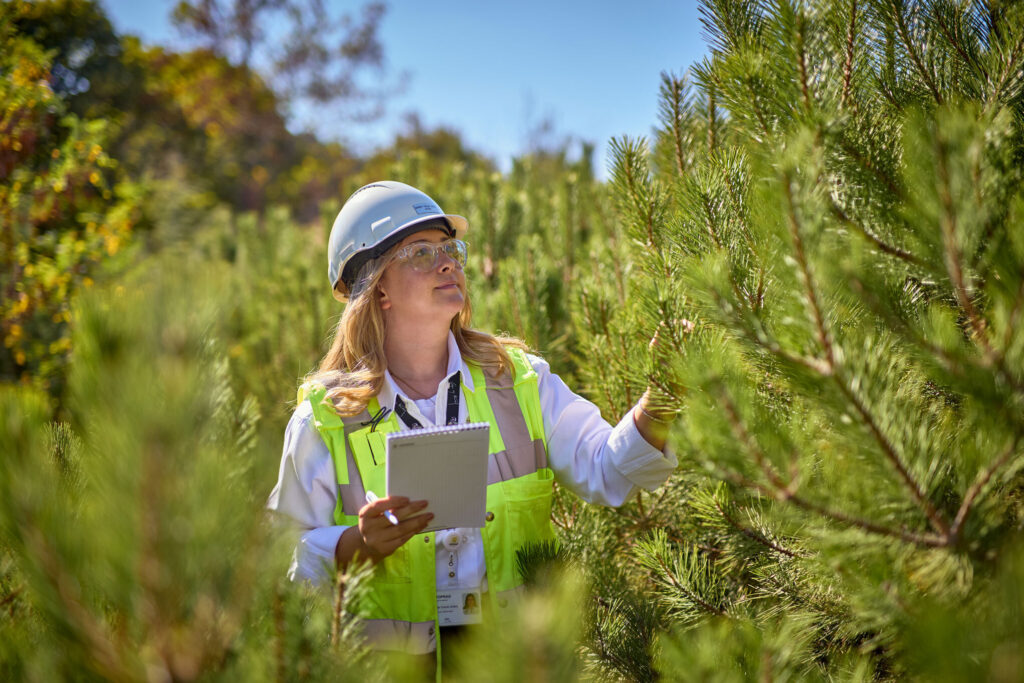
Modern mining and environmental protection can coexist. Across Eldorado Gold’s operations in Greece, a common point of reference is a mining model that combines modern extraction practices with responsible environmental management—an approach already embedded in the day-to-day operations of Hellas Gold.
As demand for the raw materials needed to support modern technologies and the transition to a low-carbon economy continues to grow, the mining industry faces a dual challenge: meeting these needs in a sustainable manner while safeguarding the natural environment.
Against this backdrop, Hellas Gold consistently invests in a model that integrates modern mining with responsible environmental stewardship. According to a recent study by IOBE, the company invests approximately €9 million annually in environmental protection and restoration initiatives. The results are tangible: 44% of the land used for mining activities has already been restored or is currently under restoration, while the adoption of advanced processing and recycling technologies has reduced water consumption by 75% over the past decade.
Innovation also plays a central role in environmental management. Through its Environmental Monitoring Program, Hellas Gold publishes real-time data on water, air and soil quality, as well as noise, vibrations and dust levels. This information is freely accessible through an interactive digital platform, covering 15 environmental parameters across 700 monitoring locations.
The same philosophy is reflected in biodiversity management, particularly at Skouries, where a comprehensive flora and fauna protection program is implemented both before and during operations. Specialized scientific teams—including botanists, ornithologists, zoologists and other experts—systematically monitor important plant and animal species to ensure that appropriate measures are taken in a timely manner. From the transplantation of rare plant species to wildlife rescue and landscape restoration, every intervention is guided by prevention, scientific expertise and respect for nature.
A notable example involved the discovery of an active nest of the rare Honey Buzzard within an operational area at Skouries. When monitoring identified two chicks in the nest, the company, working closely with field scientists, established a 100-metre protection zone and temporarily suspended logging activities in the area from May until the end of August, allowing the young birds to fledge safely.
Similar protection measures, including buffer zones and continuous monitoring, were implemented for woodpecker nests and other protected bird species. In the case of bats—an important component of the local ecosystem—specialist scientists inspected tree cavities and underground shelters using endoscopic cameras and acoustic monitoring equipment. Dozens of trees were assessed as potential roosting or breeding sites to prevent disturbance during sensitive periods. The surveys confirmed the presence of several bat species in the area; however, no active roosts were found in trees scheduled for logging. This allowed operations to proceed safely while underscoring the value of continuous scientific monitoring.
Thracean Mining is applying the same approach in the design and environmental management of its project, with a commitment to transparency, systematic monitoring and environmental protection measures tailored to the unique characteristics of Thrace’s natural environment.